

What we’re working on
SEND Reforms
This page explains the SEND White Paper, what might change because of it, what is not changing yet.
What is a white paper?
It tis a document that sets out the Government’s ideas and proposals for changes they would like to make.
Learn More
Timeline for the changes
Nothing has changed yet. The law and your rights stay the same for now
Learn More
What is being Proposed ?
Some parts of the SEND system will change, including how support is planned and how decisions, and disputes are handled
Thank you to everyone who joined us for our SEND White Paper Changes webinar with Polly Kerr and the three parent carer forums across Bristol, North Somerset and South Glos
If you would like to watch the video again or know of someone who wasn’t able to attend the event and who would like to know a little more about the proposals, please feel free to watch the recording of the webinar
The questions families raised during our event were gathered and posed to Polly Kerr to gather her thoughts and feedback to share with you. We are happy to advise that Polly has responded to your questions, and we have shared these for you to view.

What is being proposed
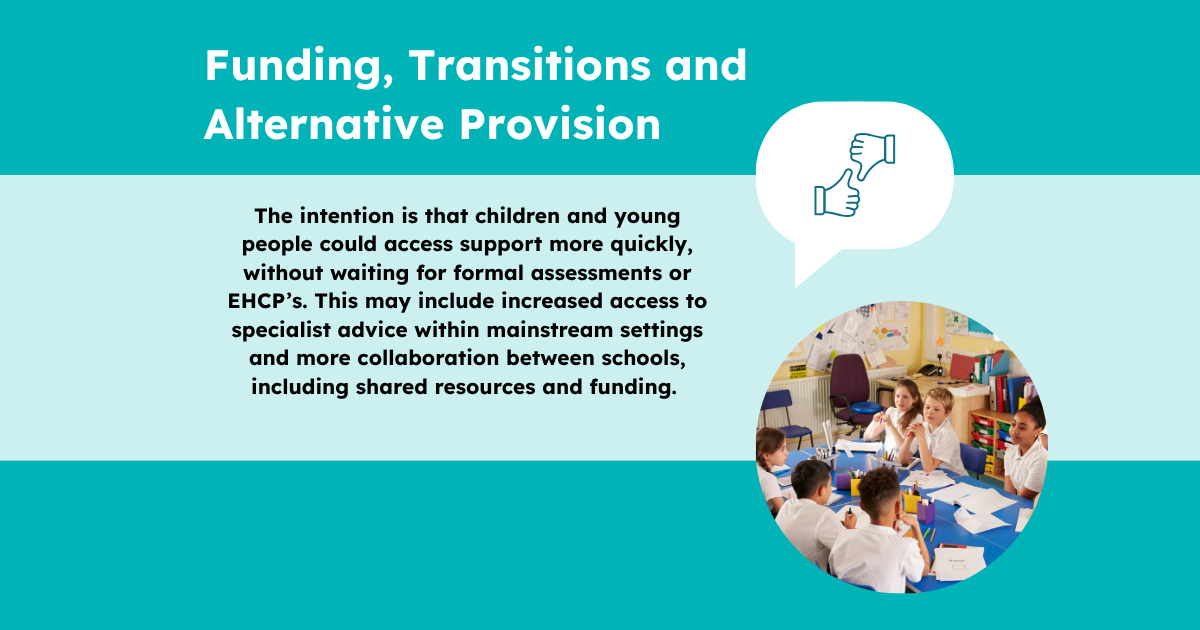
The proposals include a wide range of potential changes, such as new expectations for schools, clearer guidance on reasonable adjustments, new Inclusion Bases in schools, additional training for staff, and improved access to specialist expertise through a model called “Experts at Hand.”
Nothing has changed in law.
Your child’s current support and provision should remain in place.
These proposals are part of a national consultation process, which means they will be discussed, reviewed and may change before anything is implemented.
Individual Support Plans (ISPs)
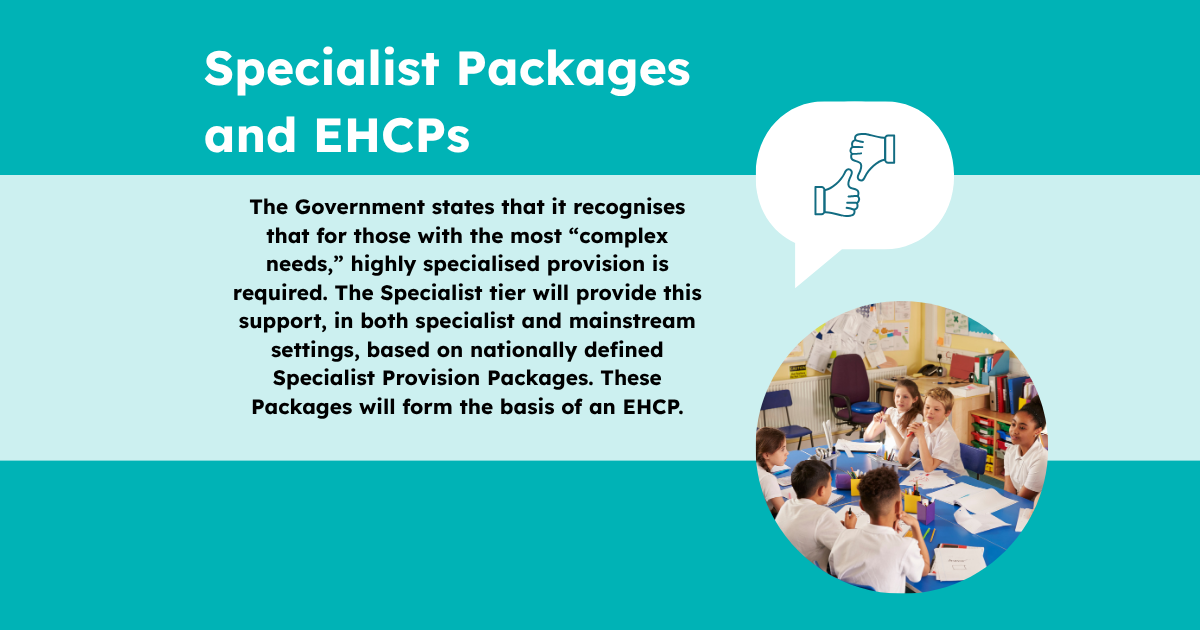
The proposals introduce Individual Support Plans (ISPs) for children whose needs can be met within mainstream support, while EHCPs would continue for children and young people with more complex needs.
Tiers of Support
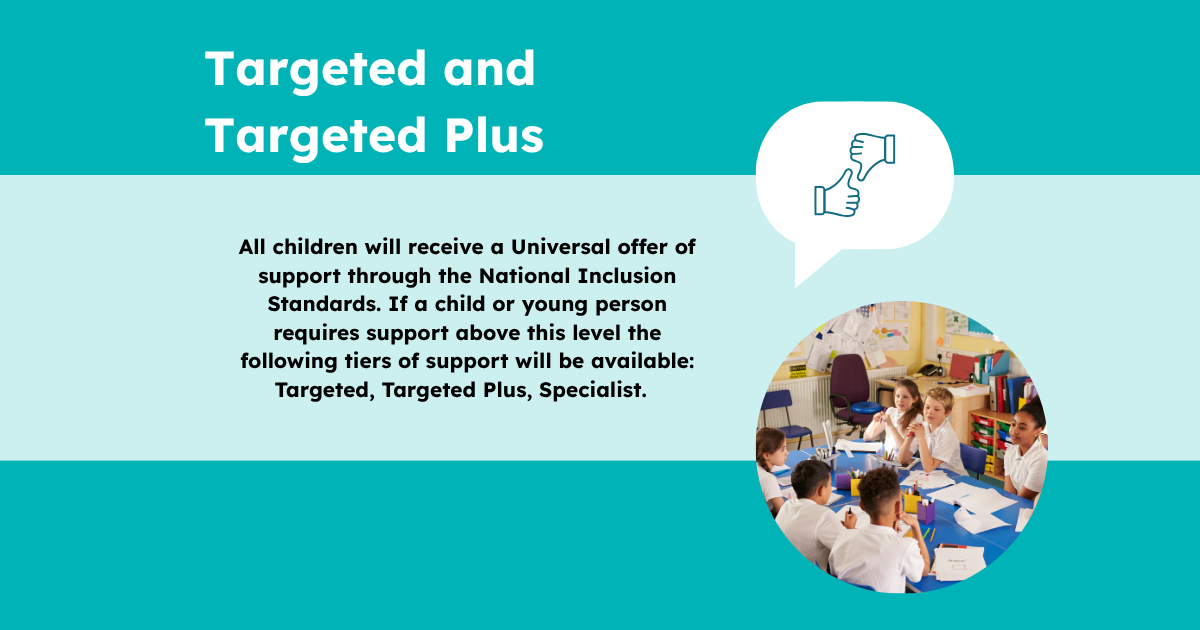
All children will receive a Universal offer of support. If a child or young person requires support above this level the following tiers of support will be available:
Targeted
Targeted Plus
Specialist
Accountability
Under the proposed changes, schools will handle all SEND-related complaints.
At the heart of the proposals is a vision to strengthen inclusive practice in mainstream education, with a more consistent, rights-based approach so that children’s needs are recognised and supported earlier.

Breakdown and latest updates



Our Role at South Glos Parent Carers
We know that many families have raised concerns about the SEND White Paper. This includes worries about changes to tribunal rights and other legal protections.
These are important parts of the SEND system. They affect how families get the support their children need. We understand why families are concerned and hear this clearly.
As part of our role, we will:
Help families understand the proposed changes
Send a formal response to the consultation, based on what South Glos families tell us
Continue supporting families after any changes come into effect
We know there are strong feelings about this. We will keep sharing what families tell us in a clear, honest, and constructive way.
Learn more about some of the other orgnisations supporting families who have been involved in the work on SEND reforms.
What you need to know right now
Nothing has changed in law.
Your child’s current support and provision should remain in place.These proposals are part of a national consultation process, which means they will be discussed, reviewed and may change before anything is implemented.
Consultation closes: 18 May 2026
SGPC’s Bite Size Surveys closes: 3rd May
If changes are introduced, the earliest implementation is expected between 2029–2030.
Timeline for the changes
Phase One: 2026 - 2028
Investment and building new system
Workforce training programmes for all staff
Schools, collages and early years settings receive Inclusive Mainstream Fund
Experts and Hand comes on stream for all settings
Specialist Provision Packages published
National Inclusion Standards Published

Phase Two: 2028 - 2029
Improved Support
Continue to invest and build up the new system
New Legislation expected to come in from September 2029

Phase Three: School Year 2029/30 onwards
Future System
School year 2029/30: First assessments of children take place under the new system
Independent special school price restrictions introduced
EHCP National Inclusion Standard and Individual Support Plan legislation enacted.
First children using Specialist Provision Packages
60,000 new school places for children with SEND will have been created in special schools and inclusion bases


What is a White Paper and What happens next?
Consultation: The Government asks for views.
This is where organisations like the National Network of Parent Carer Forums (NNPCF), PCFs like SGPC, professionals across the education sector and families like you can share feedback over the next 12 weeks.

Review and changes:
The Government will consider the feedback and then may revise their proposals.

New laws:
If changes to the law are required, which we suspect there will be, the Government must introduce a Bill to Parliament.

Parliamentary process:
The Bill is debated and examined by Members of Parliament and the House of Lords, and amendments can be made.

A White Paper is not a law..
It is a document that sets out the Government’s ideas and proposals for changes they would like to make.
The publication of a white paper does not change existing SEND law. Your child’s legal rights to support remain in place.

Becoming law:
If both Houses agree, the Bill receives Royal Assent and becomes an Act of Parliament.
Who are the NNPCF?
The National Network of Parent Carer Forums (NNPCF) is the independent national voice for Parent Carer Forums across the nine Department for Education (DfE) regions in England.
Established in 2011, the NNPCF brings together 153 local Parent Carer Forums, including SGPC. The NNPCF works directly with the Department for Education, NHS England and other national partners to represent the lived experience of parent carers in shaping policy and reform.
The NNPCF has been engaging with senior civil servants, Ministers and national stakeholders throughout the development of these proposals and will now be gathering feedback from local forums to inform a collective national response.
Who are Contact?
Contact for families with disabled children, often known as Contact supports families, brings families together and helps families take action for others.
Founded in the 1970s by families of disabled children, who recognised that even if their child’s conditions were different, they shared a common experience – of being a family with a disabled child. They understood how important it is to support each other.
Contact together with over 100 charities in the Disabled Children’s Partnership published the Fight For Ordinary report, setting out a vision for SEND reform.
