
National Inclusion Standards
The Government has published proposals to reform the SEND system. These proposals are part of the wider Schools White Paper and related SEND reforms. Parent Carers are being asked to respond to 39 specific questions about the SEND reform.
As parent carers ourselves we know how difficult it can be finding the time to read such a large amount of information and respond to a long consultation. We’re here to help. Each week we will focus on an aspect proposed changes, and ask you to share your views in series of short, bite-size surveys making it quick and easy to share what matters most to you.
What is being proposed?
One of the proposals in the Schools White Paper focuses on strengthening SEN Support in mainstream schools through clearer National Inclusion Standards by setting out what all children and families should be able to expect from their school. By doing so, the Government suggests this will reduce the need for specialist placements allowing children to attend their local school with appropriate support.
The Government has proposed investing £15 million by 2028 to develop an evidence base for, and then provide National Inclusion Standards to sit alongside a digital library of high-quality tools and approaches to help schools identify needs earlier and provide effective support for children and young people with SEND. The aim is to make expectations clearer and help reduce the postcode differences families sometimes experience in the support available.
The proposals suggest that the National Inclusion Standards would set out:
• What support should be available in every mainstream school across England
• Practical tools to help identify needs earlier
• Evidence-based approaches that schools can use to support pupils
How these will be created?
An independent expert panel would oversee the development of the standards and the evidence base. The panel would also oversee the proposed Specialist Provision Packages, which are intended to underpin the proposed changes to the specialist part of the SEND system (more information will be shared on this in our next post).
The White Paper also proposes updates to the SEND Code of Practice, moving from the current four areas of need:
• Communication and interaction
• Cognition and learning
• Social, emotional and mental health
• Sensory and physical needs
and proposing five new areas of development:
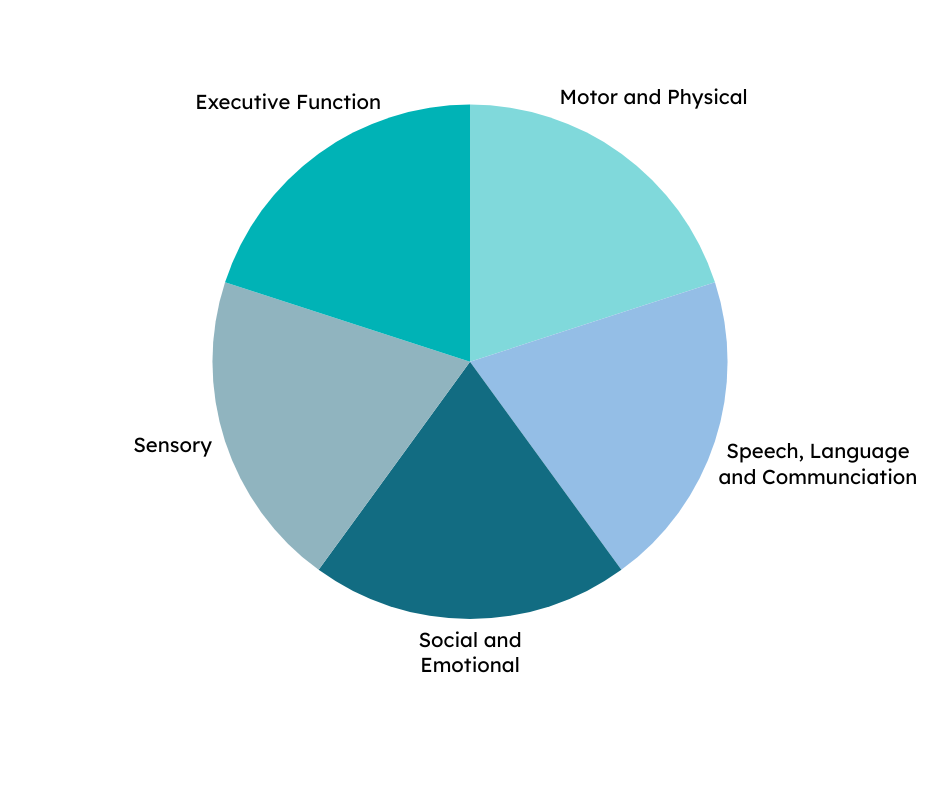
-
Gross Motor: posture, balance, whole-body control and large movements
Fine Motor: precise hand and finger movements
-
Generating Sound
The development of understanding and using words and sentences
Use of language, gesture, signs and symbols
-
Understand and manage emotions
Form relationships
Navigating social interactions
Regulating emotions
Identifying and expressing feeling
Social cognition
-
External senses
Internal senses
Sensory processing
-
Attention
Working Memory
Managing impulses
Planning, sequencing and organisation
Cognitive flexibility
What this might mean for families:
If these proposals go ahead, the aim is that families would have a clearer understanding of what support should be available in mainstream schools. In practice, this could mean:
• Clearer expectations about the support schools should provide to each student
• Consistent approaches across schools and areas, reducing differences between local authorities practices
• Earlier identification of needs through tools and guidance for schools
Universal Offer:
The government's universal proposal offer covers and support from early years to age 25. The offer states that inclusion, high quality adaptive teaching methods, early support and opportunities for growth for every child are central to their vision.
What we don’t yet know:
The information from the Government has yet to clarify how they will be developing an evidence base for SEND support, or what tools and approaches will the available for mainstream schools.
It is also unclear how schools will meet these 'duties.
It is important to remember that these proposals are still being consulted on, and the detail of how they would work in practice if they come into law are still being developed. It is important that you have your say and respond to the consultation. The link to our Bitesize survey is below
SGPC Bitesize Survey - 2 of 8
This week we are asking for your thoughts on the National Inclusion Standards, the five areas of development and the Universal offer.
Bite Size Survey: National Inclusion Standards
Each survey only takes a few minutes, but your voice can make a real difference. Ensure that the perspectives of families in our community are heard.
Focused news and accompanying bite-sized surveys will be shared each week week until the 29th April. All surveys will remain open till midnight on Sunday 3rd May
Check out the SGPC updates page to see them all
We are now in a 12-week consultation period.
There are two ways that you can have your say:
Through the Government Consultation Survey on SEND reform - Closing Date 11:59pm 18 May 2026,
Through South Glos Parent Carer Forum’s bite size surveys. - Closing Date 11:59pm 3 May
If possible, we would always recommend that you complete both feedback options.
At SGPC, our role remains the same: to represent the lived experience of parent carers in South Gloucestershire and to ensure that your voices are heard locally and nationally.
We know that system change must improve outcomes for children and young people with SEND. We will work alongside the NNPCF and partners to ensure that reforms lead to positive, meaningful and sustainable change for families.
We will continue to update families as more detail becomes available through our social media, website and members email list:

You are not alone
We recognise that change can bring uncertainty and questions. You are not alone, our drop-in support sessions and online email support are here for you.
See details of all our support session opening hours here
March 2026